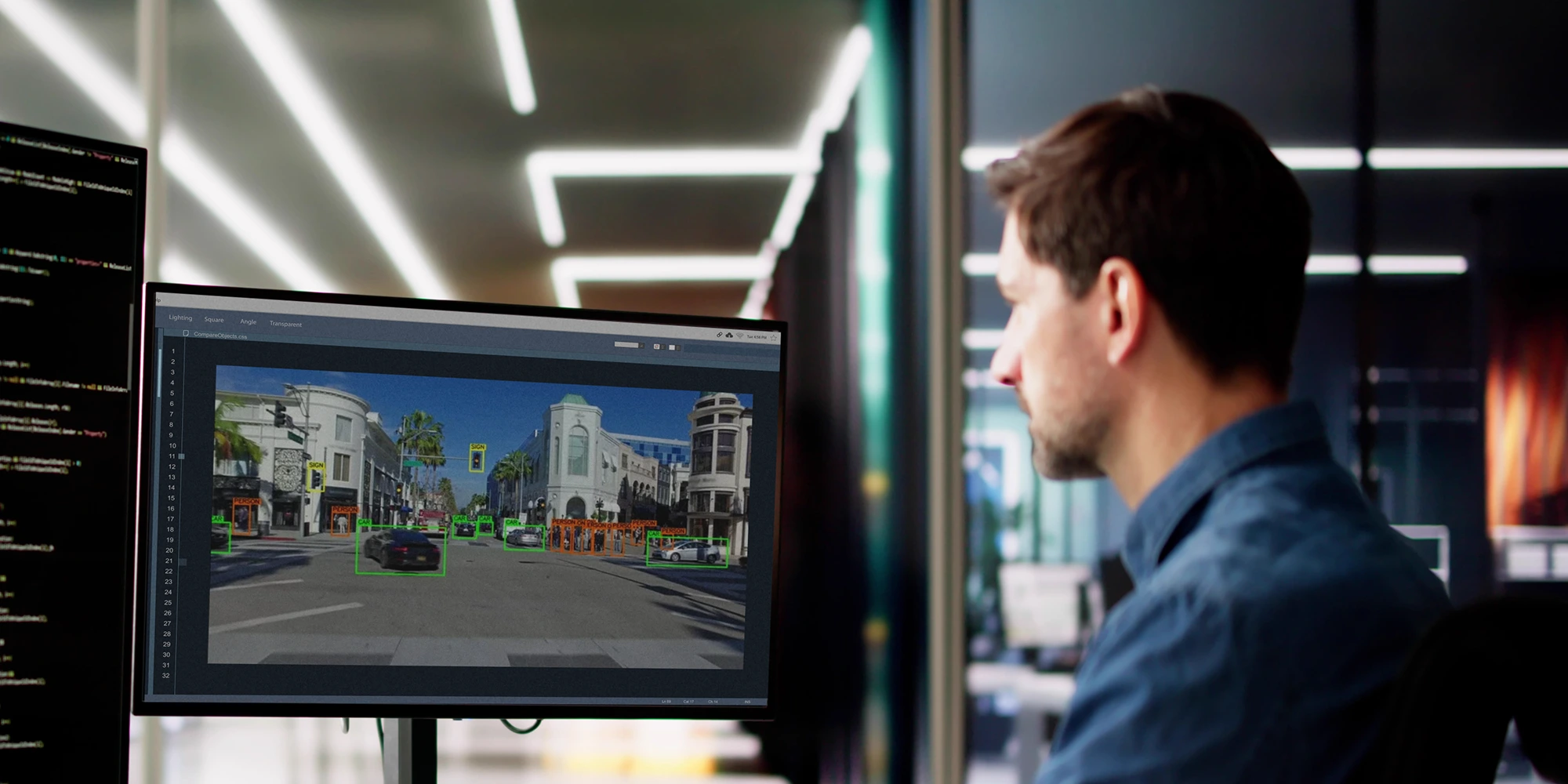

The star of the autonomous vehicle (AV) industry is usually the hardware. But as the race to scale is on, what’s behind the scenes is finally getting more attention.
“When we talk about autonomy, everyone looks at the vehicle, but the real work is in the support layer,” said Nick Allen, Head of AV/Mobility Solutions at TaskUs, during a panel discussion at the Curbivore conference. “You can’t have a fleet without a foundation that’s ready to handle the day-to-day grind of thousands of units.”
The operational reality
Expanding a fleet from dozens to thousands relies on a repeatable process for every component of physical logistics.
Consider depot management as a prime example. AVs use specialized hubs with significant power capacity. While a company can secure a lease in a few months, coordinating with a local utility to upgrade the grid for the load level could take a couple years.
“There’s so many moving parts to expanding, and not just the vehicles themselves but also operational services,” said Nick. That layer creates safety and reliability, which fosters the public trust that drives scale.
Safety comes first
Ensuring safety means embedding it into the system architecture — that’s given. But a massive human-in-the-loop (HITL) component makes safety a reality on the ground.
“Operators are behind the wheel monitoring execution for three to six months at minimum,” said Nick. “This establishes a safety framework, so as you move from market to market, there’s a consistent, proven approach.”
This process also generates fresh data for training systems to solve more edge cases on their own, freeing people for new levels of work. “The roles are evolving already, and we’re creating a higher-skilled workforce that manages the system rather than just the steering wheel,” Nick explained.
For example, working remotely from control centers, teams are ready to step in when a vehicle needs manual control, provide roadside support and assist passengers when technology can’t solve the problem. Their role demands constant alertness and technical skill.
Given the high-stress nature of this work, the TaskUs research team recommends adopting the Total Worker Health (TWH) framework to make operations even safer. Unlike models that focus on just one aspect of the job, TWH integrates system-level design, operational planning, and personal well-being into sustainable, preventative interventions.
Gaining public trust
Once it’s clear that autonomy can solve everyday problems safely, trust comes next. By handling routine tasks like delivering groceries or providing a ride home — easily and consistently —
the service turns into a necessity. This demand turns into social acceptance, and then scale
is inevitable.
Soon, the technology fades into the background but the solution it provides becomes part of the fabric of everyday life. That’s when AV’s will hit the consumer market.
“Companies must either adapt or integrate the knowledge and learnings from some of the robotaxi companies into those services,” Nick said. “This will bring yet another evolution to the human role. We’ll need a new class of technicians and engineers who can handle the ‘at-home’ service model.”
Getting regulation ready
Another critical piece of scale involves the frameworks that govern where and how vehicles operate, which vary across regions. Nick said, “It takes a global-ready effort because localization comes into play as you start scaling internationally. Ensuring your regulations and compliance actions are top-notch is essential.”
Ultimately, the way to win in the market is getting the infrastructure right. Leaders will pull physical logistics, safety and compliance into a unified system. That’s the foundation durable enough for the long haul.


