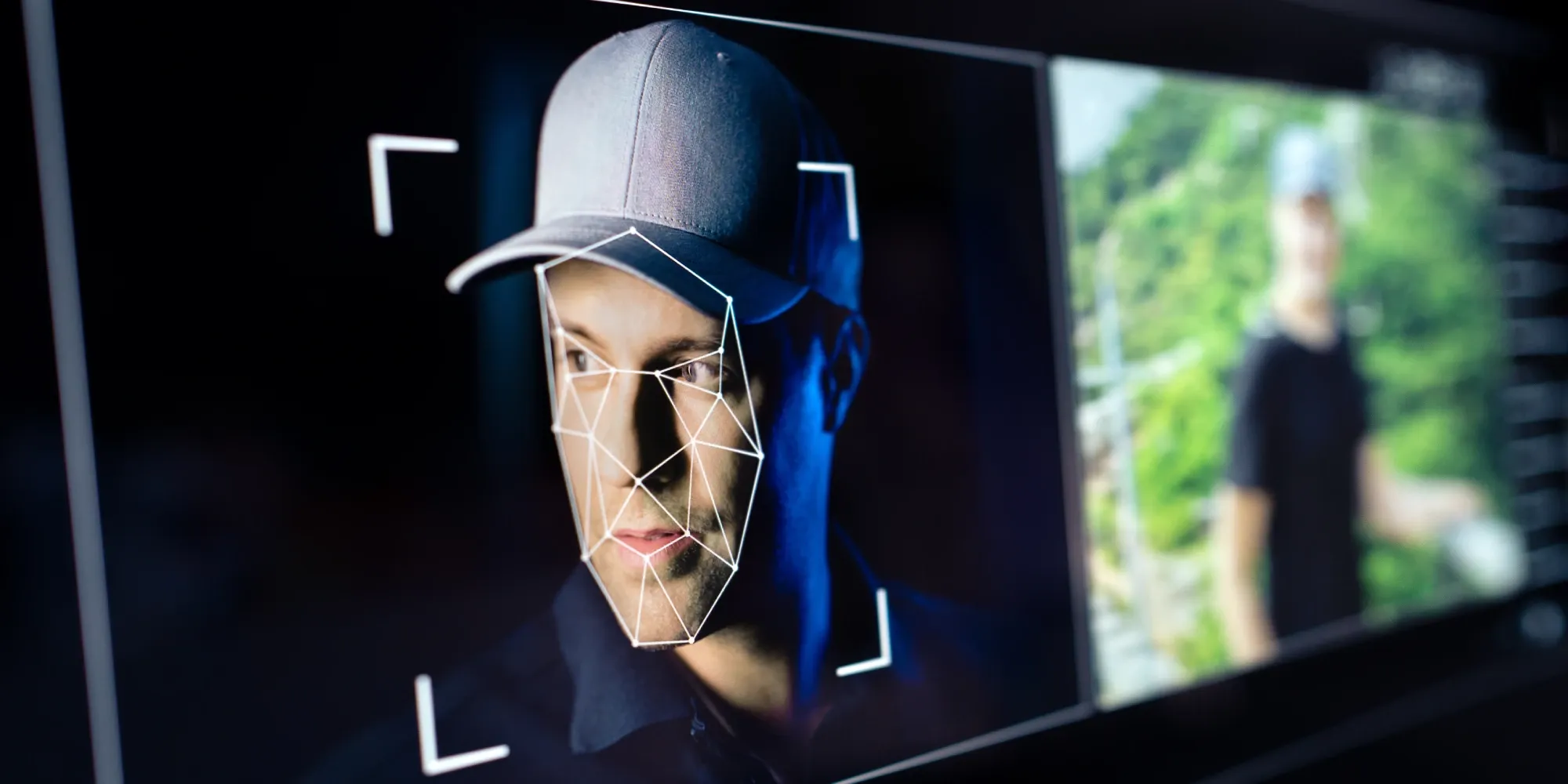
Deepfakes are the new face of fraud, and businesses are the top target. Forty-six percent of companies have already experienced deepfake-related attacks, according to a Mastercard report. With fraud losses expected to reach $40 billion by 2027, organizations must act now.
Pragya Agarwal, Vice President, Financial Crime & Compliance, TaskUs, joined Mason Allen, Head of Growth and Partnerships, Reality Defender, in a webinar discussion to share ways to fight back.
Here are three reasons why deepfake fraud is different from other threats.
AI is powering the proliferation
Fraudsters use digital replicas (photos, videos and audios) of high-profile individuals, company executives or even customers to bypass security systems, transfer funds and even acquire a prescription for a controlled substance.
“The frequency of the attacks has increased from a drip to a deluge,” says Mason. That’s because generative tools are widely available, making it cheaper and faster to produce highly convincing content, even in real time. “All it takes is access to the internet,” he adds.
Why detection is difficult
What makes deepfake fraud so effective is human nature. People are used to believing what they see and hear. “But now fraudsters are weaponizing that by creating a perfect reality that feels so authentic, it overrides our common sense,” says Pragya.
But while human perception is easily fooled, AI can help fight AI. Deepfakes typically contain subtle but telltale signs that are invisible to the untrained eye: unnatural shadows, pixel-level noise or slight discrepancies in how an eye blinks. AI-powered detection tools, trained on vast datasets of both real and synthetic media, identify these signals with incredible speed and accuracy.
Integrating such tools is fairly straightforward and doesn’t require rebuilding an entire fraud stack. Mason explains that adding simple APIs and SDKs to existing systems enable real-time video and audio stream analysis.
The right type of defense
At the same time, the nature of deepfakes cannot be solved by tech alone. Even with the most advanced tools, human review and contextual understanding are still critical.
“This isn’t really a problem you can solve with one tool. It’s about building a human firewall,” says Pragya. Pairing advanced systems with skilled analysts ensures businesses are fully equipped to detect new threats and outsmart them.
In addition, deepfakes can’t be defeated after the fraud is committed. Pragya also advises to focus on strategy first. “Shift from a reactive to a proactive approach, let technology handle the heavy lifting of detection then train and align teams to use their judgment on complex cases,” she says.
Beyond covering why deepfake fraud is different, Pragya and Mason talk about more ways to defend against this type of digital deception.


